In 2026, homeowners are embracing eco-friendly kitchen remodels more than ever. With rising energy costs, increasing environmental awareness, and innovative green technologies, transforming your kitchen into a sustainable space is both stylish and smart. Sustainable kitchen upgrades not only reduce your carbon footprint but also lower utility bills and create healthier living environments.
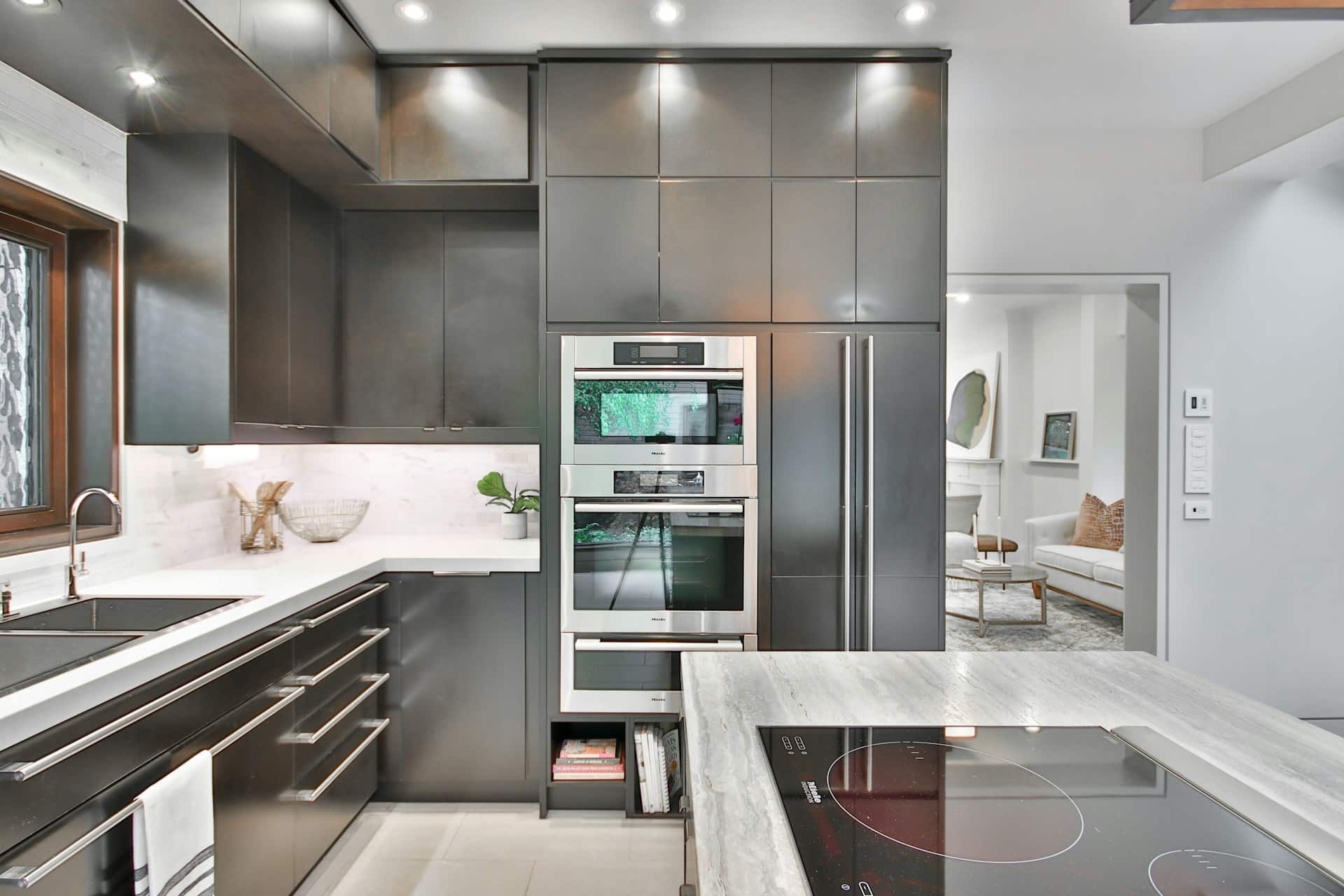
Current trends show a shift toward durable, low-impact designs that blend functionality with nature-inspired aesthetics. From recycled materials to hyper-efficient appliances, eco-friendly kitchen remodels in 2026 focus on longevity, waste reduction, and energy savings. Whether you’re planning a full renovation or targeted green upgrades, this guide offers actionable insights to help you create a kitchen that’s beautiful, efficient, and planet-friendly.
Top Eco-Friendly Kitchen Trends Dominating 2026
This year, kitchens move away from sterile minimalism toward warm, earthy, and resilient designs. Sustainability leads the charge, with homeowners prioritizing materials and features that minimize environmental harm.
Key trends include:
- Reclaimed and bio-based materials — Designers favor reclaimed wood accents, bamboo cabinetry, and innovative composites from recycled plastics or agricultural waste.
- Warm natural palettes — Earthy greens (sage, olive, and forest tones), rich cherry woods, and sandstone-inspired colors replace cool grays.
- Energy-efficient tech integration — Induction cooking and smart systems that optimize power usage dominate.
- Biophilic elements — Indoor herb walls, living plant integrations, and natural light maximization improve air quality and well-being.
These trends reflect a broader desire for kitchens that feel lived-in, timeless, and responsible.
Choosing Sustainable Materials for Your Kitchen Remodel
The foundation of any green kitchen upgrade lies in material selection. In 2026, sustainable kitchen materials emphasize durability to reduce replacement frequency and waste.
- Countertops → Opt for recycled-content quartz (often containing up to 90% post-consumer glass) or recycled glass slabs. These offer the luxury look of natural stone without mining impacts. For a warmer feel, consider butcher block from FSC-certified reclaimed wood—it’s renewable, biodegradable, and adds rustic charm.
- Cabinetry → Bamboo grows rapidly and regenerates without replanting, making it ideal for cabinets. Alternatively, choose cabinets from reclaimed hardwood or composite boards made from recycled fibers. Look for low-VOC finishes to improve indoor air quality—certifications like GREENGUARD Gold ensure minimal off-gassing.
- Flooring and Backsplashes → Cork flooring, harvested sustainably from tree bark, provides natural insulation and comfort underfoot. For backsplashes, recycled glass tiles or terrazzo with embedded waste materials add texture and sparkle while diverting landfill waste.
Pro tip: Verify certifications. FSC (Forest Stewardship Council) for wood, Cradle to Cradle for recycled products, and WaterSense for fixtures guarantee true sustainability. These choices can last decades, making your remodel a long-term investment.
READ ALSO >> Quick Home Improvement Ideas You Can Do Yourself
Energy-Efficient Appliances and Fixtures for 2026
Energy efficiency is a cornerstone of eco-friendly kitchen remodels this year, with advancements making green options more accessible and powerful.
Induction cooktops lead the pack—they’re up to 90% energy-efficient (compared to 70% for gas), heating pots directly via magnetic fields and reducing wasted heat. Pair them with smart refrigerators that use AI to optimize cooling cycles, cutting electricity use by 20-30%.
Other must-haves:
- ENERGY STAR-rated dishwashers with eco-modes that save water and power.
- LED under-cabinet and pendant lighting, now with tunable warmth to mimic natural daylight.
- Ventilation hoods with variable-speed fans that activate only as needed.
For ultimate efficiency, integrate solar-ready wiring or battery storage systems. Many 2026 models feature app-based monitoring, alerting you to energy spikes and suggesting optimizations. These upgrades often qualify for government rebates, offsetting initial costs while slashing monthly bills by hundreds annually.
Water Conservation and Waste Reduction Strategies
Water scarcity concerns drive innovative conservation in green kitchen designs.
Install low-flow faucets with touchless sensors—they reduce water use by 30% without sacrificing pressure. Greywater recycling systems, increasingly affordable in 2026, redirect sink water to irrigation, closing the loop on usage.
Combat waste with built-in composting stations tucked into islands or pull-out drawers. Choose zero-waste layouts with multifunctional islands that double as prep and dining areas, minimizing clutter and encouraging reusable habits. Incorporate pull-out recycling sorters and durable silicone storage over single-use plastics.
These features not only conserve resources but foster mindful cooking routines.
Planning and Budgeting Your Eco-Friendly Remodel
Start with an eco-audit: Assess your current kitchen’s energy hogs and waste points. Prioritize high-impact changes—like appliances and insulation—over cosmetic ones.
Budget-wise, expect 10-20% premium for sustainable materials, but recoup via savings and incentives. A mid-range eco-remodel (10×12 kitchen) might cost $30,000-$50,000, with ROI through 15-25% lower utilities and increased home value.
DIY options abound: Refinish existing cabinets with low-VOC stains, install LED lighting yourself, or add a DIY herb wall for biophilic vibes. Hire certified green contractors for complex work to ensure proper installation and maximum efficiency.
Inspiration and Final Tips for Success
Imagine a kitchen with olive green bamboo cabinets, recycled glass counters gleaming under warm LEDs, and an induction range humming quietly while fresh herbs thrive on a living wall. This isn’t fantasy—it’s the achievable reality of 2026 eco-remodels.
For success:
- Layer textures (wood with recycled metal accents) for depth.
- Focus on natural ventilation with operable windows.
- Choose timeless over trendy to ensure longevity.
Eco-friendly kitchen remodels in 2026 offer more than aesthetics—they deliver tangible benefits for your wallet, health, and the planet. Start small or go all-in; every green choice counts. Consult local experts, explore rebates, and enjoy a kitchen that nourishes both body and earth.