The butler’s pantry has solidified its status as a must-have kitchen feature, evolving from a luxury add-on to a practical necessity in homes of all sizes. With open-concept living still dominant, homeowners crave ways to hide prep mess, store small appliances, and maintain a polished main kitchen. Houzz’s 2026 Kitchen Trends Study reveals that butler’s pantries rank high among upgraded spaces, with 67% including dedicated small-appliance storage and 61% featuring prep counters—clear evidence of their role in creating order amid busy family life.
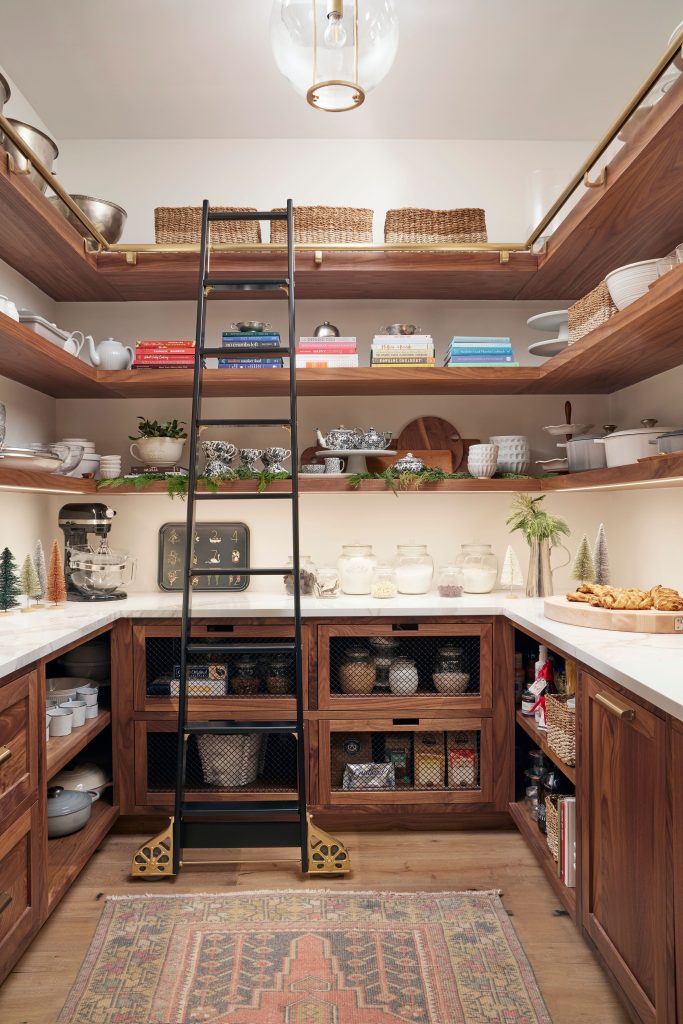
A well-designed butler’s pantry acts as a “backstage” area: it handles the gritty work (dishwashing, plating, storage) so your main kitchen stays serene and show-ready. Whether carved from unused hallway space, a former closet, or an extension off the main kitchen, this dedicated zone boosts efficiency, reduces clutter, and adds resale value. This guide delivers fresh, actionable butler’s pantry design and organization ideas tailored for 2026—focusing on zoning, smart storage solutions, aesthetic integration, and real-world functionality to help you create a space that works as hard as it looks beautiful.
Why Butler’s Pantries Are Exploding in Popularity
The resurgence ties directly to modern lifestyles: more home cooking, entertaining, hybrid work setups, and a desire for “hidden function.” Unlike walk-in pantries focused purely on food storage, butler’s pantries emphasize task-specific zones—prep, serving, cleanup, and display. Designers note a shift toward “layered kitchens,” where the main area dazzles while the butler’s pantry handles the behind-the-scenes chaos.
Key drivers include:
- Clutter control: Keeping bulky appliances, extra dishes, and messy prep out of sight.
- Entertaining ease: Quick access to barware, linens, and serving pieces.
- Workflow optimization: Separating dirty tasks from clean presentation.
In 2026, rich moody colors (navy, forest green, charcoal, deep plum) dominate cabinetry, creating intimate, jewel-box vibes that contrast beautifully with lighter main kitchens.
Smart Layout and Design Essentials
Size varies—narrow hallway pantries (4×6 ft) to generous scullery-style rooms—but effective design hinges on flow and zoning.
- Zoning for efficiency → Divide into zones: prep/counter area, appliance storage, dishwashing/sink zone, bar/coffee station, and serving/display. Use an L- or U-shaped layout if space allows for easy movement.
- Sink and dishwasher placement → A secondary sink (often copper or farmhouse style for charm) and compact dishwasher are top priorities. Position near the main kitchen for seamless traffic.
- Counter space → Aim for at least 4–6 feet of continuous countertop for plating, baking, or appliance use. Quartz or durable butcher block withstands heavy use.
- Doors and access → Pocket doors, barn sliders, or glass-paneled French doors maintain openness while allowing closure for noise/privacy. In open plans, match door hardware to kitchen accents.
Lighting matters: Layer recessed cans, under-cabinet LEDs, and a statement pendant over the prep counter for task and ambiance.
READ ALSO >> Maximalist Decor Tips for Personalized Spaces
Cabinetry and Color Choices for 2026
2026 favors bold, sophisticated palettes in butler’s pantries—contrasting the main kitchen’s neutrals.
- Moody cabinetry → Navy, charcoal, or forest green painted or stained wood creates drama. Pair with brass or matte black hardware for elegance.
- Two-tone options → Dark lowers with lighter uppers (or vice versa) add dimension.
- Glass-front cabinets → Display curated glassware, china, or bar tools on open shelves or behind glass for visual interest without dust.
Incorporate pull-out trays, spice drawers, and tray dividers for specialized storage.
Organization Ideas That Maximize Every Inch
Clutter-free function separates great butler’s pantries from average ones. Focus on vertical space, accessibility, and categorization.
- Appliance garages and pull-outs → Hide toasters, blenders, and coffee makers behind roll-up doors or in dedicated pull-out towers. 2026 trends show 67% of new pantries prioritize this.
- Vertical storage solutions → Floor-to-ceiling pull-out pantry units for canned goods, baking sheets, and platters. Use slim rolling carts for oils/vinegars.
- Bar and coffee station → Dedicate a zone with a mini fridge, wine rack, or built-in espresso machine. Add floating shelves for mugs and glassware.
- Dish and linen storage → Deep drawers for linens, cutlery organizers, and stemware racks. Label bins for easy access.
- Prep and baking zones → Pull-out cutting boards, tray dividers for sheet pans, and open shelving for frequently used bowls.
- Hidden power → Install outlets inside cabinets for charging appliances without cords dangling.
Pro tip: Use clear bins and lazy Susans for visibility—group like items (baking, entertaining, everyday) to streamline routines.
Aesthetic Touches for a Luxe Feel
Even functional spaces deserve personality.
- Backsplashes → Patterned tile (zellige, Moroccan) or bold wallpaper behind open shelves adds character.
- Statement sink → Copper or black farmhouse sinks elevate the look.
- Decorative elements → Vintage trays, potted herbs, or framed labels on shelves blend utility with style.
- Lighting accents → Dimmable sconces or LED strips highlight displays.
Budget and Planning Tips
- Small budget ($3,000–$8,000) → Retrofit existing space with stock cabinets, peel-and-stick backsplash, and organizers.
- Mid-range ($10,000–$25,000) → Custom cabinetry, secondary sink, and appliances.
- Planning steps → Measure traffic flow, list must-have features (sink? appliances?), consult pros for plumbing/electrical, and mock layouts with tape.
ROI shines: Butler’s pantries boost kitchen appeal and home value significantly.
Your Butler’s Pantry Vision in Action
Picture walking into a serene main kitchen, then slipping into a moody, organized butler’s pantry where everything has a place—appliances tucked away, platters ready, and counters clear for effortless entertaining. In 2026, this isn’t extravagance; it’s intelligent design for real life.
Start by assessing your needs: Do you host often? Bake frequently? Hate visible clutter? Build from there. With strategic zoning, bold yet cohesive aesthetics, and smart storage, your butler’s pantry becomes the hardworking heart of your home—elegant, efficient, and entirely yours.