In 2026, biophilic design ideas have moved beyond a niche trend into a core principle of thoughtful home living. As urban dwellers spend more time indoors and wellness remains a top priority, bringing nature inside isn’t just aesthetic—it’s essential for mental clarity, reduced stress, and overall well-being. Biophilic design taps into our innate affinity for the natural world (biophilia) by incorporating elements like plants, natural light, organic textures, water features, and views of the outdoors.
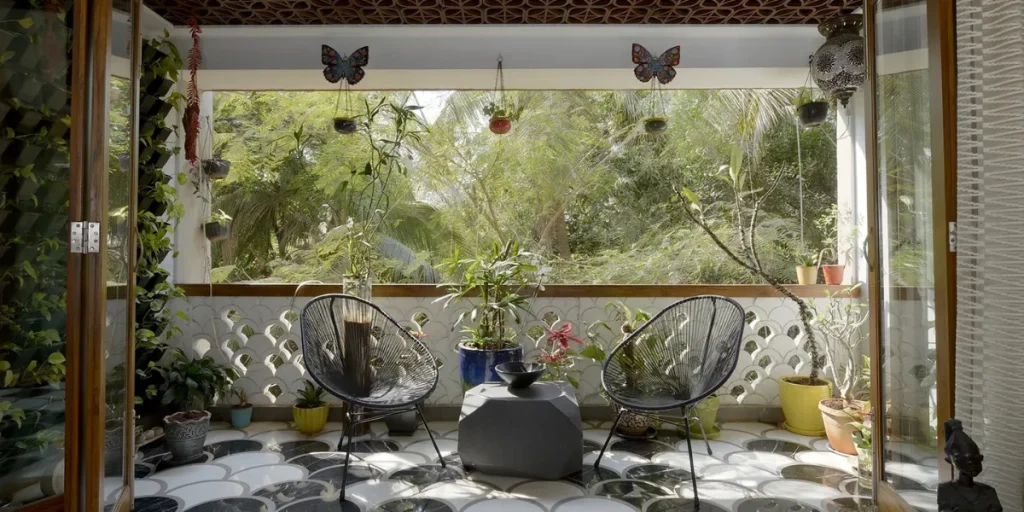
Scientific backing continues to grow: studies link exposure to natural patterns and greenery with lower cortisol, improved focus, better sleep, and even faster recovery from illness. In today’s fast-paced world, these benefits make biophilic spaces a smart investment in daily health. This guide offers fresh, actionable ideas tailored for 2026—focusing on realistic implementations across rooms, budget-conscious upgrades, and emerging innovations that deliver maximum impact without major renovations.
Core Principles of Effective Biophilic Design
Modern biophilic interiors emphasize subtlety and integration over overt “jungle” looks. Key pillars include:
- Direct nature connection — Live plants, natural ventilation, and water.
- Indirect nature mimics — Organic shapes, wood grain, stone textures, and nature-inspired art.
- Natural light and airflow — Maximizing daylight and fresh air circulation.
- Sensory engagement — Textures, sounds (like gentle water), and scents from herbs or essential oils.
The goal: create spaces that feel alive and restorative, using sustainable materials to align with eco-conscious values.
Living Room: Ground Your Gathering Space
The living room serves as the home’s social heart—perfect for biophilic elements that encourage relaxation.
- Install a modular living wall using low-maintenance plants like pothos, ferns, or peace lilies mounted on felt pockets or hydroponic panels (many under $300). Position near seating to create a green focal point that purifies air and softens acoustics.
- Layer organic textures: Swap synthetic rugs for jute, sisal, or wool blends in earthy tones. Add reclaimed wood coffee tables with live-edge details or river rock side tables for tactile interest.
- Maximize natural light: Use sheer linen curtains instead of heavy drapes. Place mirrors opposite windows to bounce daylight deeper into the room, mimicking dappled forest light.
- Incorporate nature views: Hang large-scale botanical prints or abstract landscapes in calming greens and browns. For tech integration, consider digital frames cycling through serene forest or ocean scenes.
These touches foster calm conversation and downtime, turning the living room into a restorative retreat.
Kitchen: Grow, Cook, and Connect with Nature
Kitchens naturally lend themselves to biophilic principles—after all, food comes from the earth.
- Create a herb wall or vertical garden above the sink or on a windowsill using magnetic planters or rail systems. Fresh basil, mint, and rosemary provide aroma, flavor, and visual greenery while encouraging mindful cooking.
- Choose natural-material surfaces: Butcher-block counters from FSC-certified wood warm the space and age beautifully. Pair with stone or recycled glass backsplashes mimicking riverbeds or mossy rocks.
- Add flowing elements: A small tabletop fountain or under-cabinet water dispenser introduces gentle sound and humidity, evoking streams.
- Use earthy palettes: Sage cabinets, terracotta tiles, or olive accents ground the room. Open shelving displays ceramic pots and woven baskets for an organic, lived-in feel.
These ideas make meal prep feel nourishing and connected to seasonal cycles.
Bedroom: Design for Deeper Rest and Recovery
A biophilic bedroom promotes better sleep by reducing overstimulation.
- Position the bed to face a window or add blackout curtains with sheer layers for soft morning light.
- Introduce bedside greenery: Trailing ivy or snake plants on nightstands improve air quality overnight. Opt for air-purifying varieties that thrive in low light.
- Layer natural bedding and textures: Linen or organic cotton sheets in neutral tones, plus wool throws and rattan headboards, create tactile comfort.
- Use circadian lighting: Smart bulbs that mimic sunrise/sunset rhythms help regulate sleep cycles—affordable options sync with apps for gentle wake-ups.
- Add sound elements: A small indoor water feature or white-noise machine with nature tracks enhances relaxation without overwhelming the senses.
These upgrades transform the bedroom into a sanctuary for true rest.
Bathroom: Turn Routine into Ritual
Bathrooms offer intimate opportunities for biophilic immersion.
- Install water-resistant plants like ferns, ZZ plants, or air plants in hanging macramé or on shelves near the shower for steam-loving humidity.
- Choose natural stone or wood-look tiles: Pebble flooring underfoot or wood-grain porcelain creates spa-like grounding.
- Maximize natural light: Frosted glass windows or skylights bring in daylight while maintaining privacy.
- Incorporate wood accents: Teak shower benches or bamboo trays hold bath salts and candles, adding warmth and aroma.
The result: daily routines feel rejuvenating rather than mechanical.
Budget-Friendly and Low-Maintenance Implementation Tips
You don’t need a complete overhaul. Start small:
- Plants on a budget: Propagate from friends or choose hardy, forgiving species (snake plant, pothos, ZZ).
- DIY elements: Build simple plant shelves from reclaimed wood or create terrariums with thrift-store glassware.
- Sensory hacks: Use eucalyptus bundles in the shower or essential oil diffusers for natural scents.
- Tech assists: Smart planters with auto-watering reduce maintenance; apps track plant care.
Focus on sustainability—select native or low-water plants and eco-friendly materials to minimize environmental impact.
Why Biophilic Design Delivers Lasting Value
Beyond trends, biophilic spaces enhance resale appeal in 2026’s wellness-driven market. They support mental health, boost productivity, and foster family connection through shared natural beauty.
Imagine waking to sunlight filtering through leaves, cooking surrounded by fresh herbs, or unwinding in a room that echoes the calm of a forest. These aren’t luxuries—they’re achievable enhancements that make home feel truly alive.
Embrace biophilic design this year by starting with one room or one element. The benefits compound quickly: clearer mind, better mood, deeper rest. Bring nature indoors, and watch your home—and your well-being—transform.