In 2026, energy-efficient home improvements stand out as one of the smartest ways to cut monthly utility bills while increasing comfort and home value. With electricity and gas prices remaining volatile and climate awareness at an all-time high, homeowners are prioritizing upgrades that deliver measurable savings—often paying for themselves within 3–10 years through reduced energy use.
What sets 2026 apart? Advancements in technology, better incentives (even as some federal credits phase out), and a focus on whole-home efficiency make these projects more accessible and rewarding than ever. Whether you’re in a cold climate battling heating costs or a hot region fighting AC bills, targeted changes can slash energy consumption by 20–40% depending on your starting point. This guide highlights proven upgrades with real-world payback estimates, practical implementation tips, and strategies to maximize long-term savings—helping you invest wisely without guesswork.
Why Energy Efficiency Pays Off More
Rising utility rates, combined with smarter devices and improved materials, amplify returns on energy upgrades. Many improvements qualify for local rebates, state programs, or utility incentives that offset upfront costs. Plus, efficient homes sell faster and for higher prices in today’s market—buyers seek lower operating costs and green features.
Key principle: Focus on the “envelope” first (insulation, air sealing, windows) before adding tech or renewables. Sealing leaks and insulating properly prevents wasting energy on heating or cooling air that escapes.
Top-Tier Upgrades with Strong Payback Potential
Here are the most impactful energy-saving home upgrades for 2026, ranked by typical ROI and ease of implementation.
1. Attic and Wall Insulation Upgrades
Poor insulation is the #1 energy thief in most homes. Adding or upgrading attic insulation to R-49+ (or walls to R-13–21) can cut heating/cooling bills by 15–30%.
– Cost: $1,500–$5,000 (DIY possible for attics).
– Annual savings: $300–$800.
– Payback: 4–10 years.
Use blown-in cellulose or fiberglass for attics; spray foam for walls if budget allows. In 2026, high-performance options like aerogel-infused products offer better R-value in thinner layers.
2. Air Sealing and Weatherization
Drafts through gaps, cracks, and outlets waste more energy than most realize. Professional air sealing (or DIY caulk + foam) around windows, doors, pipes, and attic hatches often yields the quickest wins.
– Cost: $500–$2,000.
– Savings: 10–20% on bills.
– Payback: 2–5 years.
Pro tip: Use a blower-door test (many utilities offer free or low-cost) to identify leaks before sealing.
3. Smart Thermostats and Zoning
A smart thermostat like Ecobee, Nest, or Honeywell learns your habits, adjusts automatically, and integrates with sensors for room-by-room control.
– Cost: $150–$300.
– Savings: 10–15% ($150–$400/year).
– Payback: 1–3 years.
In 2026, models with AI-driven geo-fencing and Matter compatibility make setup seamless—no hub needed.
4. High-Efficiency Windows and Doors
ENERGY STAR-rated windows with low-E coatings and gas fills reduce heat transfer dramatically. Replace only the worst performers first if full replacement is costly.
– Cost: $300–$1,200 per window.
– Savings: 10–25%.
– Payback: 8–15 years (faster with rebates).
Look for triple-pane in colder climates for superior performance.
5. LED Lighting and Smart Bulbs
Switching to LEDs uses 75% less energy than incandescents and lasts 25x longer. Add smart bulbs for scheduling and dimming.
– Cost: $5–$20 per bulb.
– Savings: $100–$200/year for average home.
– Payback: Under 1 year.
Bonus: Smart plugs eliminate “vampire” power from standby devices.
6. High-Efficiency HVAC and Heat Pumps
Replacing old furnaces or AC units with variable-speed, high-SEER models (or ductless mini-splits) transforms efficiency. Heat pumps excel in moderate climates, providing both heating and cooling.
– Cost: $4,000–$12,000.
– Savings: 30–50%.
– Payback: 5–12 years.
2026 models feature quieter operation and better cold-weather performance.
7. Tankless Water Heaters or Heat Pump Water Heaters
On-demand tankless units heat water only when needed; heat pump versions pull heat from surrounding air.
– Cost: $1,000–$4,000.
– Savings: 20–60% on water heating.
– Payback: 4–10 years.
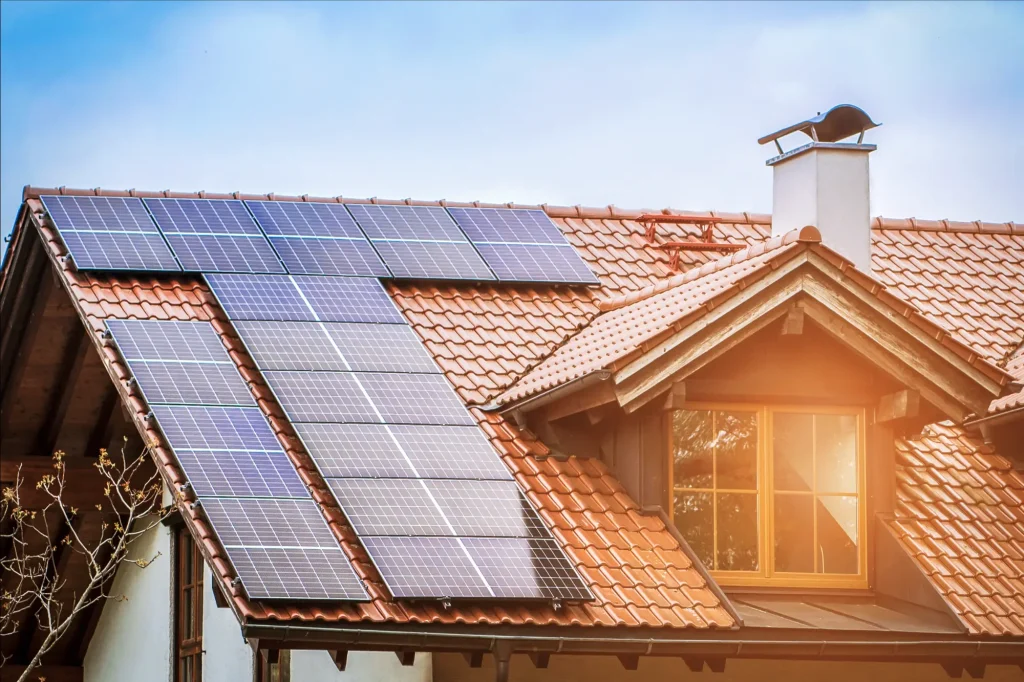
8. Solar Panels with Battery Storage
Rooftop solar offsets electricity use; batteries store excess for evenings or outages.
– Cost: $15,000–$30,000 (pre-incentives).
– Savings: 50–100% on electric bills.
– Payback: 6–12 years (faster in high-rate areas).
In 2026, improved panel efficiency and home battery tech (like Tesla Powerwall or Enphase) make net-zero more achievable.
READ ALSO >> Smart Home Automation Upgrades for Beginners
Implementation Roadmap: Start Small, Scale Smart
1. Audit First — Get a free or low-cost home energy audit from your utility to pinpoint biggest losses.
2. Prioritize Quick Wins — Insulation + sealing + LEDs often deliver 20–30% savings immediately.
3. Layer Upgrades — Add smart controls next, then HVAC or windows.
4. Claim Incentives — Check DSIRE database or local utilities for rebates—many cover 20–50% of costs.
5. Monitor Results — Use smart plugs or apps to track usage before/after changes.
Real-World Savings Example
For a 2,000 sq ft home with average U.S. bills ($200/month):
– Insulation + sealing: $3,000 investment → $500/year savings.
– Smart thermostat + LEDs: $500 → $300/year.
– Heat pump upgrade (if needed): $8,000 → $800/year.
Total potential: $1,600+/year savings after upgrades, with many paying back in under 7 years.
Long-Term Benefits Beyond Bills
These improvements enhance comfort (even temperatures, less dust), reduce carbon footprint, and boost resale value—energy-efficient homes often sell 5–10% faster and higher. In 2026’s market, buyers prioritize lower operating costs.
Start with one or two upgrades that fit your budget and climate. Track your bills for proof of progress. Energy-efficient home improvements aren’t just trends—they’re practical steps toward financial freedom, comfort, and sustainability. Make the switch this year, and enjoy lower bills for decades to come.