In 2026, print-on-demand (POD) continues to thrive as one of the most beginner-friendly home-based businesses. With no need for inventory, upfront printing costs, or storage space, creators are turning ideas into revenue streams overnight. The global POD market is booming, driven by hyper-personalization, AI tools, and eco-conscious consumers who crave unique, on-demand products.
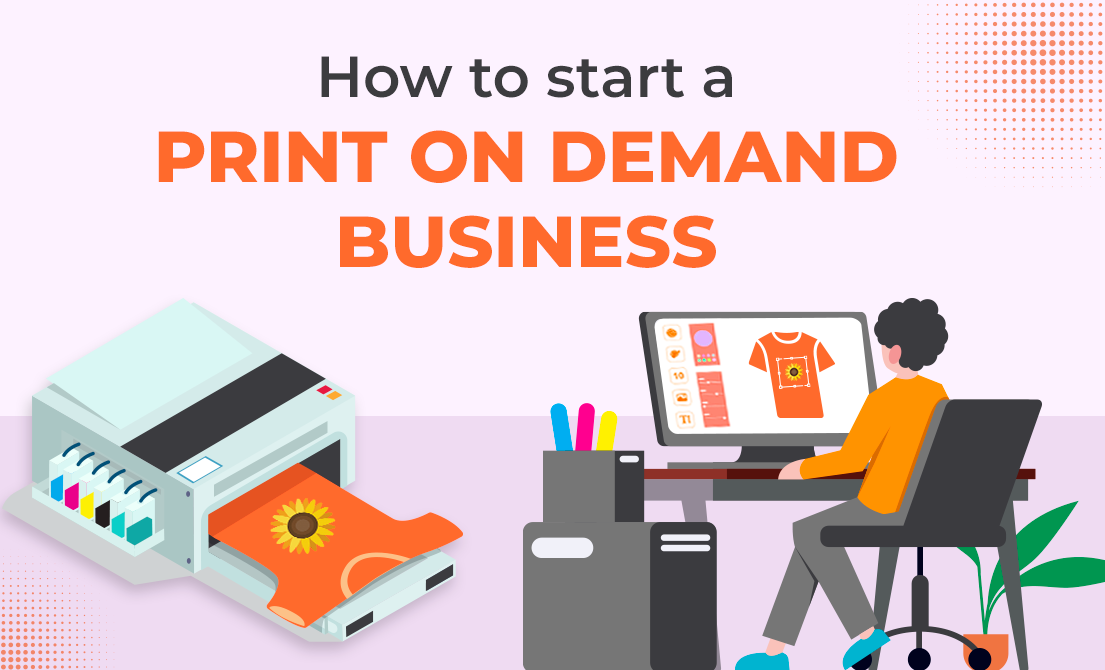
What sets successful POD sellers apart this year? It’s not just slapping designs on t-shirts—it’s building micro-brands around passionate niches, leveraging AI for rapid design iteration, and prioritizing sustainable materials. This guide shares actionable, updated strategies for launching a profitable POD business in 2026, focusing on print on demand ideas 2026 that align with current buyer behaviors. Whether you’re exploring Teespring alternatives or comparing Printful vs Printify, these steps will help you create custom merch with real earning potential.
Step 1: Identify Profitable Print-on-Demand Niches for 2026
Success starts with targeting niches where demand outpaces competition. In 2026, evergreen themes blend with emerging trends like mental wellness, retro aesthetics, and pet humanization.
Top profitable niches include:
- Pet lovers: Customized items for specific breeds or “pet parent” humor—think breed-specific hoodies or mugs saying “My Dog is My Therapist.”
- Profession-specific designs: Subtle, witty apparel for nurses, teachers, or remote workers (e.g., “Spreadsheet Sorcerer” for accountants).
- Astrology and spirituality: Personalized zodiac wall art or faith-inspired journals.
- Outdoor adventure: Eco-themed gear for hiking, camping, or van life enthusiasts.
- Humor and memes: Niche-specific sarcasm that resonates on social media, like introvert-friendly quotes.
- Health and sustainability: Wellness trackers, reusable tote designs promoting zero-waste lifestyles.
Low-competition goldmines? Hyper-personalized eco-products, such as biodegradable phone cases with custom family portraits or limited-edition drops tied to seasonal events. Use tools like EverBee or Pinterest Predicts to spot rising searches—focus on niches with emotional attachment for higher conversion rates and repeat buyers.
Step 2: Create Standout Designs Using 2026 Tools
Design is your product’s heartbeat. In 2026, AI has democratized creativity, allowing non-designers to produce professional work quickly.
Trending design styles:
- Minimalist typography with bold, motivational text
- Vintage retro revivals (70s/90s vibes)
- AI-generated surreal illustrations
- Personalized elements like names, dates, or uploaded photos
Start with free tools like Canva or Midjourney for initial mocks. For advanced hyper-personalization, platforms like Customily enable live previews where customers add their own text or images. Pro tip: Always test designs for scalability—ensure they look great on multiple products like t-shirts, hoodies, posters, and tumblers.
Focus on originality: Avoid trademarked phrases. Instead, create subtle twists on trends, like combining astrology with pet themes (“Leo Loves Labradors”). Order samples to check print quality—vibrant colors and soft fabrics drive reviews and referrals.
READ ALSO >> How to Launch a Successful Dropshipping Store in 2026
Step 3: Choose the Best Print-on-Demand Companies for 2026
Platform selection impacts fulfillment speed, quality, and profits. Here’s a practical comparison of top players:
- Printify: Best for variety and cost—access hundreds of suppliers globally, premium plans reduce base costs significantly. Ideal for testing multiple products.
- Printful: Premium quality and branding options (custom labels, packing slips). Strong for US/EU shipping; integrates seamlessly with Etsy and Shopify.
- Gelato: Excels in local production for faster, greener delivery. Great for eco-focused brands with sustainable blanks.
- Zendrop or CustomCat: Affordable alternatives with expanding catalogs, including jewelry and home decor.
For beginners, start with Printify’s free tier—it’s flexible and connects to major marketplaces. Prioritize providers offering organic cotton or recycled materials to appeal to 2026’s sustainability-minded buyers. Factor in mockup generators and automation for order routing.
Step 4: Build Your Online Store and Integrate Seamlessly
Etsy remains king for organic traffic in creative niches, while Shopify offers full control for scaling brands.
Setup essentials:
- Create accounts on Etsy or Shopify (start with Etsy’s low fees).
- Connect your POD provider—most integrations are one-click.
- Upload designs to 20-50 products initially, optimizing titles with keywords like “personalized pet mug 2026” or “funny teacher hoodie.”
- Price for 30-50% margins: Base cost + shipping + profit (aim for $20-40 retail).
Enhance listings with lifestyle mockups, detailed descriptions highlighting benefits, and variation options (sizes, colors). Add trust builders like return policies and sample photos.
Step 5: Market Your Products Effectively in a Crowded Space
Organic growth is possible, but targeted marketing accelerates results in 2026.
Key channels:
- Pinterest and TikTok: Visual platforms perfect for POD—create shoppable pins or short demo videos.
- Micro-influencer collaborations: Gift products to niche creators for authentic exposure.
- Limited drops: Build hype with “edition of 100” releases to encourage urgency.
- Email and SMS: Capture visitors with pop-ups for abandoned carts and post-purchase upsells.
Run small TikTok ads testing creatives—user-generated content styles perform best. SEO matters too: Blog about your niche (e.g., “Best Gifts for Dog Lovers 2026”) to drive free traffic.
Step 6: Optimize Operations and Scale Sustainably
Track everything: Use analytics to identify best-sellers and cull underperformers. Automate customer service with templates for common queries.
For scaling:
- Upgrade to premium POD plans for lower costs.
- Expand to new products like embroidered patches or 3D elements.
- Build a brand community via social media or newsletters.
Common mistakes to avoid: Over-relying on one platform or ignoring mobile optimization. Prioritize fast shipping and quality control—happy customers leave reviews that fuel growth.
Why Print-on-Demand is a Smart 2026 Home Business
With low barriers and high creativity, POD lets you turn passions into passive income. Many sellers hit $5K-10K monthly by focusing on niche authority and trends like AI personalization and eco-materials. Start small: Validate one design in one niche this week.
The opportunity is ripe—consumers want unique, meaningful merch more than ever. Combine smart tools, authentic designs, and consistent effort, and your POD business can become a thriving brand in 2026.